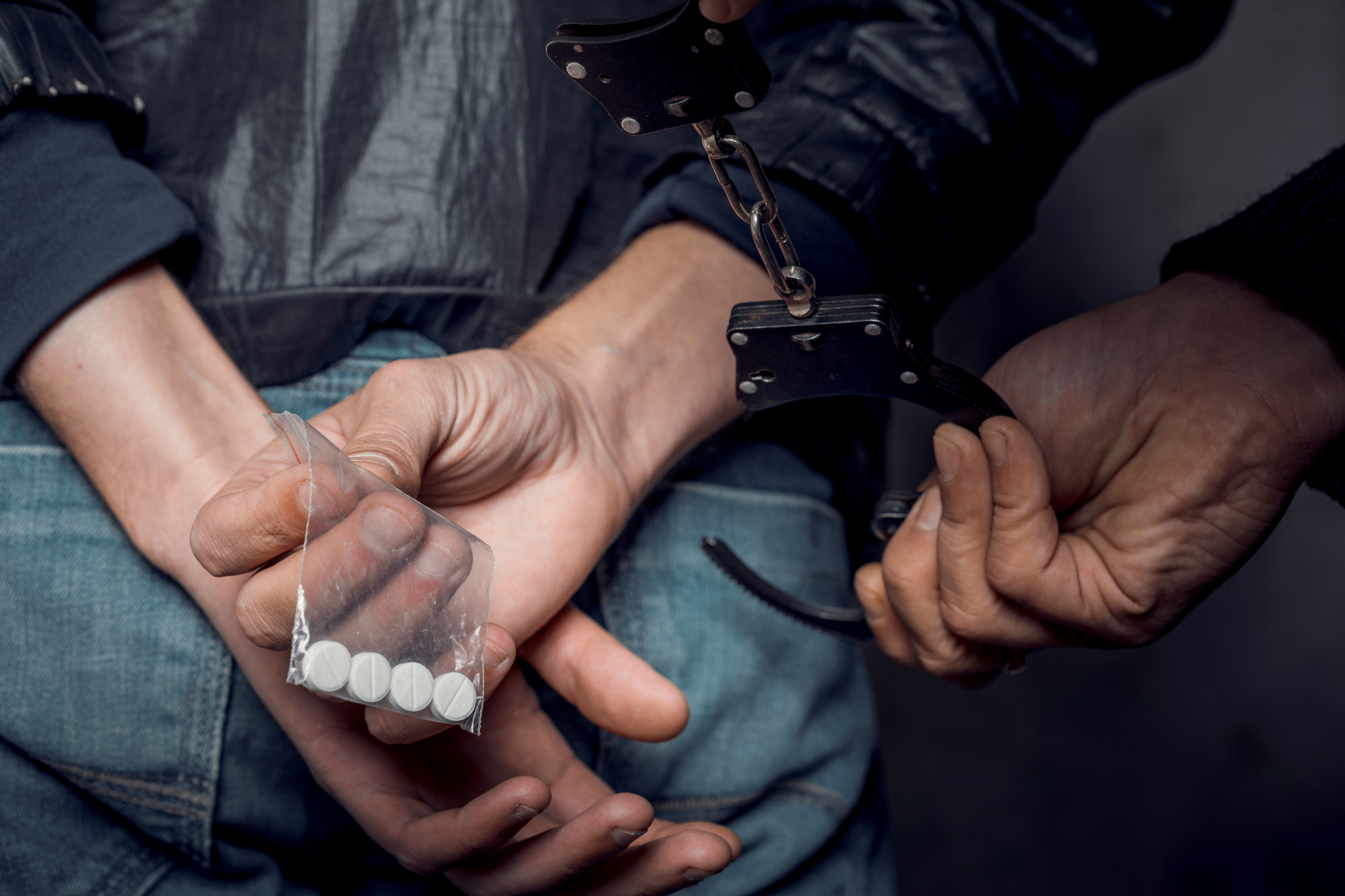
If you or a loved one find yourselves in a difficult situation, we understand the urgency and stress that comes with it. At Angels Bail Bonds, we specialize in providing the support and assistance needed to secure bail for theft or forgery charges.
Learn the basics about the bail process for felony forgery charges, and then contact Angels Bail Bonds today. Let us be your trusted partner in navigating the bail process for felony forgery charges. We are here to help you regain your freedom and prepare for your legal journey.
What Is Bail?
Bail in California refers to the amount of money or property that a defendant or their surety (a person responsible for the defendant’s appearance in court) must deposit with the court to secure the defendant’s release from custody while awaiting trial.
The purpose of bail is to ensure that the defendant appears in court for all scheduled hearings and does not flee before the trial. A county bail schedule or table determines bail amounts, but a judge can deviate from the schedule based on various factors, including the severity of the offense, the defendant’s criminal history, and whether the defendant is a flight risk. If the defendant fails to appear in court, the bail is forfeited, and a warrant may be issued for their arrest.
What Are Bail Bonds?
When you find yourself in a situation where you can’t afford to pay for your bail, bail bond services might be the solution for you. A bail bondsman, who a bail bonds company employs, will charge you a fee in exchange for providing the payment. Bail bond companies (also known as surety companies) in California charge only 10% of the total bail amount to post-bond for a defendant. So, if the cost of bail is $20,000, the bondsman will charge $2,000 instead of the full amount. While this may still seem like a lot of money, it’s much more affordable than paying the entire bail amount, especially on extremely high bail amounts for some serious felonies.
Those rates can be as high as 20% for some immigration and federal charges because these rates are set by law, and all bail companies must charge the same amount. Despite the costs, using a bail bondsman can be a lifesaver for those who cannot afford to be released from custody on bail.
What Happens At A Bail Hearing?
The amount of bail is normally set at the person’s initial court appearance, often known as the arraignment stage or pre-trial detention. A judge can either release a person on their own recognizance (OR) with a promise to appear in court at a later date or deny their OR.
If the charges are infraction offenses or even some misdemeanor offenses—such as a DUI with no accident injuries or significant property damage— the person will usually be released without bail after being arrested. More serious felony charges, like assault with a deadly weapon or even murder, will not have OR as an option and will only be released from custody on bail.
You must pay the bail amount or post a bail bond on the bail schedule. An arresting officer, like the police officer, might ask for a higher bail amount than what the schedule suggests.
What Factors Influence a Defendant’s Bail Amount?
The bail bond process starts when a defendant is in front of a judge to determine bail. Then, several factors are put into play, including the severity of the crime, criminal record, whether the defendant is a flight risk, community ties, financial resources, potential danger to public safety, and even mental health are considered when determining bail amount.
The bail schedule further gives guidance for all criminal charges, with the judge having some leeway in the specific amounts, as mentioned. And even if they’re allowed out on bail, the defendant might have to be placed under house arrest, be prohibited from owning any deadly weapons, or placed under electronic monitoring.
Have You Been Charged With Criminal Felony Forgery PC 470?
If you’ve been charged with a criminal offense like felony forgery, you or a loved one must contact the experts at Angels Bail Bonds immediately. Our team of bail bondsmen and criminal defense lawyers provides assistance during pre-trial detention at no extra cost, nationwide. Avoid severe penalties and seek our help immediately.
What is Felony Forgery?
Forgery, as defined in California Penal Code Section 470, refers to the act of fraudulently creating, altering, or possessing a false document with the intention to deceive or defraud another person or entity for financial gain.
This includes altering, creating, or counterfeiting documents such as checks, contracts, wills, deeds, or official government records as part of a fraud scheme.
The severity of the offense depends on the circumstances and the value of the item or monetary loss involved. If the forged document involves a check, bond, bank bill, or other negotiable instruments, and the value exceeds $950, it is considered a felony forgery. If the forgery involves certain government documents, identification cards, or currency, it is also considered a felony offense.
The penalties for a conviction for felony forgery can include imprisonment in county jail or state prison for up to three years, substantial fines, probation, restitution to the victim, and potentially other consequences depending on the specific circumstances of the case. It is important to consult with a legal professional for accurate and up-to-date information regarding forgery charges in California.
The literal wording of the California Penal Code Section 470 PC is:
(a) Every person who, with the intent to defraud, knowing that he or she has no authority to do so, signs the name of another person or of a fictitious person to any of the items listed in subdivision
(d) is guilty of forgery.
(b) Every person who, with the intent to defraud, counterfeits or forges the seal or handwriting of another is guilty of forgery.
(c) Every person who, with the intent to defraud, alters, corrupts, or falsifies any record of any will, codicil, conveyance, or other instrument, the record of which is by law evidence, or any record of any judgment of a court or the return of any officer to any process of any court, is guilty of forgery.
It should be mentioned that simply signing under the name of another isn’t enough to be charged with forgery. The signed forged document has to be created with the intent to defraud or commit another crime.
Examples of forgery:
- Someone signed the name of another person without their approval.
- Falsified, altered, or forged certain documents.
- Changed a legal document.
- Counterfeit or forge the seal or handwriting on a document.
And what are the types of commercial and legal documents that are a crime to forge? PC 470 (d) has quite an extensive list with a wide range of official documents, which includes, but is not limited to:
- property deeds,
- county warrants,
- passage tickets,
- stock certificates,
- contracts,
- corporate seals,
- bonds,
- money orders,
- traveler’s checks,
- checks,
- lottery tickets
Like other theft or fraud charges, the accused can face several enhanced sentences depending on the circumstances of the case, like if someone or the victim incurred bodily harm because of the theft or forgery.
Types of Felony Forgery Charges in California

According to California Penal Code 470, forgery is a felony conviction if a person falsifies, alters, counterfeits, or changes a document with fraudulent intent.
The crime of forgery will always be a misdemeanor offense unless the worth of the intended forgery is larger than $950 or a check, bond, bank bill, note, cashier’s check, traveler’s check, or money order, as stated under California Penal Code 473.
There are other types of forgery and fraud involving certain important official documents, like credit cards, checks, and counterfeit goods. In many cases, a person might be charged with both forgery and any of these other types of fraud:
Check fraud (PC 476)
Check fraud refers to the intentional act of unlawfully creating, altering, or presenting a check with the intent to defraud another individual or entity. This offense can include actions such as forging signatures, altering check amounts, or knowingly depositing or cashing a check that is known to be fraudulent.
Violation of PC 476 can result in criminal charges and penalties, including fines and imprisonment, depending on the severity of the offense.
It is also illegal under PC 476a to write bad check, knowing that it cannot be cleared by the bank, with the intent to defraud.
Credit Card Fraud (PC 484f)
Credit card fraud, as defined under Penal Code 484f PC, refers to the act of unlawfully using, possessing, or acquiring someone else’s credit card information or a counterfeit credit card with intent to defraud. This can include the unauthorized use of another person’s credit card for purchases, obtaining goods or services using a fraudulent credit card, or manufacturing and distributing counterfeit credit cards. Credit card fraud is a serious offense that is punishable by law and can result in criminal charges and penalties if convicted.
Manufacturing or Selling Counterfeit Goods (PC 350)
Making or selling counterfeit goods is a crime that involves the production or distribution of counterfeit items with the intent to deceive or defraud consumers or the public. The definition of counterfeit goods is products that bear a trademark or logo that is identical or substantially indistinguishable from a genuine trademark or logo without the permission of the trademark owner.
The crime of making or selling counterfeit goods is taken seriously under California law as it undermines consumer confidence, harms legitimate businesses, and can pose risks to public health and safety.
Offenders may face criminal charges, including fines and imprisonment, depending on the value of the counterfeit goods involved and the individual’s intent or level of involvement in the production or distribution process. The penalties may also vary depending on the specific circumstances of the case, such as whether the counterfeit goods pose a risk to public health or safety.
Criminal Penalties in Felony Forgery Cases

Forgery is considered a form of theft in California and is punishable as a misdemeanor or a felony, depending on the value of the property involved and the defendant’s criminal history. The statute of limitations for forgery crimes will depend on what they will be charged as. The penalties can range from a fine to jail time, depending on the circumstances of the case.
Under California Penal Code 470, the penalties for a felony forgery conviction can include the following:
Imprisonment:
- The convicted individual may face jail time in a county jail for up to one year or in a state prison for 16 months, 2 years, or 3 years.
Fines:
- The court may impose fines of up to $10,000 or an amount equal to the value of the forged item, whichever is greater.
Restitution:
- The convicted individual may be ordered to pay restitution to the victim for any financial losses resulting from the forgery.
If charged as a misdemeanor, forgery is punished by no more than a year in county jail, as specified in PC 473:
(a) Forgery is punishable by imprisonment in a county jail for not more than one year, or by imprisonment pursuant to subdivision (h) of Section 1170.
(b) Notwithstanding subdivision (a), any person who is guilty of forgery relating to a check, bond, bank bill, note, cashier’s check, traveler’s check, or money order, where the value of the check, bond, bank bill, note, cashier’s check, traveler’s check, or money order does not exceed nine hundred fifty dollars ($950), shall be punishable by imprisonment in a county jail for not more than one year,
Average Bail for Felony Forgery
Felony forgery in California Penal Code PC 470, and the initial bail is set on the schedule at $20,000 to $50,000, although this varies throughout Southern California.
You Need An Experienced Bail Bond Agent That Specializes In Felony Forgery Defense
The bail bond process for a felony forgery charge under California Penal Code 470 (PC 470 felony forgery) is serious and complex without expert legal help at your side. Under California law, felony forgery is a white-collar crime that involves falsifying legal documents, counterfeiting documents, or signing someone else’s name with fraudulent intent or specific intent to defraud.
The standard bail for felony forgery is typically $20,000 to $50,000, but this can vary depending on the defendant’s criminal history, the number of forgery allegations or multiple counts, and the extent of property loss or financial damage involved. A forgery conviction can result in jail time, up to three years in county jail or state prison, and may also carry penalties such as full restitution, fines, and long-term consequences tied to crimes involving moral turpitude.
Nonetheless, a bail bond company working with a qualified legal team and criminal defense attorney can help the defendant secure release while preparing a strong defense strategy. This support is critical when facing serious forgery charges that could lead to a felony conviction or, in some cases, a misdemeanor conviction with up to one year in jail depending on how the case is charged.
Common Defenses Against Felony Forgery
There are several common defense strategies used in forgery cases filed under California penal code section 470. Because every forgery case depends on particular facts and evidence, a strong defense focuses on creating reasonable doubt and challenging the prosecution’s claims.
One defense is lack of intent to defraud. Since the forgery statute requires proof of fraudulent intent, the defense may argue that the defendant did not intend to commit fraud or deceive another person. For example, if the defendant signed a document believing it was valid or had authority to do so, the required intent element may not be met.
Another defense is lack of knowledge. The defendant may claim they were unaware that the documents involved were forged or fraudulent. This is particularly relevant in cases involving checks, money orders, traveler’s checks, or other documents where the defendant did not knowingly participate in fraud.
A criminal defense attorney may also argue mistaken identity. In these situations, the defense can present evidence such as alibis, witnesses, or records showing that the defendant was not the person who committed the alleged crime. This is especially important in cases involving credit card fraud, check fraud, or situations where a fictitious person or stolen identity was used.
Additional defenses may include:
- Challenging whether evidence shows the defendant actually committed forgery
- Arguing insufficient evidence presented by the prosecutor or district attorney
- Demonstrating that the defendant did not sign another person’s name or did not act with fraudulent intent
- Highlighting inconsistencies in the prosecution’s case or lack of proof beyond reasonable doubt
It is important to note that the success of these defenses depends on the specific evidence, documents, and circumstances involved. Consulting with an experienced legal team is crucial to building a strong defense and avoiding the most severe legal consequences.
Get Legal Help for Felony Forgery Charges
Do you know someone who has been arrested for a felony forgery offense under penal code 470? Whether the case involves legal documents, a driver’s license, bank bill fraud, or other related offenses, immediate legal help is essential.
At Angel Bail Bonds, we work with experienced bail bondsmen and criminal defense attorneys to support individuals facing serious forgery charges and other California crimes. We assist clients dealing with forgery cases, theft-related offenses, assault with a deadly weapon, and other felony charges.
We understand how overwhelming it can be to face a forgery charge, especially when the risk of being convicted, going to jail, or being found guilty of forgery is involved. That’s why we offer:
- Flexible payment plans to help manage bail costs
- Guidance through the bail bond process in California
- Support in locating your loved one and understanding court procedures
- Coordination with attorneys to help build an effective defense
If you need assistance helping a loved one in Los Angeles, Orange County, or anywhere else in California, don’t hesitate to contact us today. Our team is here to help you navigate the legal process, protect your rights, and move forward with confidence.